Sheetz Allergen Menu Complete Guide to Ingredients, Allergies, and Safe Ordering
Why use this page first
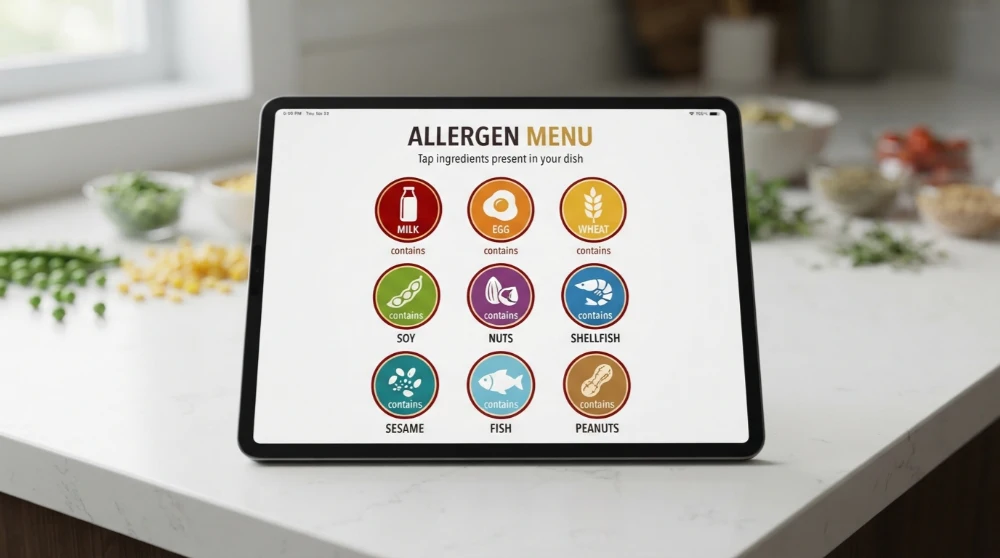
Sheetz publishes ingredient and allergen information online and provides an interactive allergen filter in its menu feed and app so customers can check which items contain or may contain common allergens. Sheetz also warns that cross contact can occur in shared kitchens, so use the official filter, confirm with staff for severe allergies, and follow the ordering steps below.
This page gives the direct answers you need, plus repeatable steps for safe ordering. It is based on Sheetz nutrition resources, the interactive menu feed used by the app, and customer reports about in-store practices. Use the quick workflows below if you have a life-threatening allergy or need to minimize cross contact.
What Sheetz provides for allergens
- Official ingredient and allergen information is available on Sheetz nutrition pages and in the app.
- An interactive menu feed supports filtering by common allergens so you can screen items before you order.
- Company pages include legal and safety warnings that cross contact may occur during preparation.
Use the official nutrition page or the app filter as the authoritative source for item-level ingredients and allergen flags.
How to find and use the Sheetz allergen resources (step by step)
- Open the Sheetz app or the Sheetz nutrition page and look for the nutrition or allergens section. Use the menu filter to select your allergen or intolerances.
- Save or note two to three candidate items that the filter marks as not containing your allergen.
- For life-threatening allergies, call the store and ask to speak with the manager before you go, then repeat your request at pickup.
- At the kiosk or when speaking to staff, repeat the allergen and the chosen item. Ask whether the item is prepared on shared equipment. If staff cannot confirm separation procedures, do not eat the item.
The interactive filter is the fastest way to screen the menu, and the app usually displays the same allergen flags you will see at ordering.
How to read the allergen flags and matrix
- Contains means the ingredient is in the recipe. Do not eat if you react to that allergen.
- May contain / cross contact means the item is prepared on shared equipment or in the same area as another allergen; traces are possible. If you are sensitive to trace exposures, treat items marked “may contain” as unsafe.
- Ingredient lists often include sauces, dressings, and baked items where allergens appear unexpectedly. Always check the item detail page in the app or nutrition feed.
Quick allergen map (use this as a navigation aid)
This map is a practical guide to where common allergens are most likely to appear on the Sheetz menu. It is not a definitive ingredient list. For item-level confirmation, use the official nutrition pages or the interactive filter.
| Allergen | High risk menu areas | What to check first |
| Milk and dairy | Milkshakes, coffee drinks, sandwiches with cheese, creamy sauces | Check item details for milk, remove cheese and creamy sauces if possible |
| Eggs | Breakfast sandwiches, baked goods | Confirm eggs in buns, batters, and sauces |
| Wheat and gluten | Buns, wraps, battered or fried items | Ask about separate fryers and gluten free bread availability |
| Peanuts and tree nuts | Packaged snacks, specialty toppings | Check “contains” and packaged product labels |
| Soy | Sauces, plant based components, some breads | Verify soy in sauces and bread ingredients |
| Fish and shellfish | Specialty sandwiches and limited items | Confirm presence in sauces or specialty menu items |
| Sesame | Buns and toppings | Check item labels; sesame appears increasingly in baked goods |
| Cross contact | Any shared prep stations, fryers, utensils | Treat “may contain” as possible exposure for severe allergies |
Step-by-step ordering workflows exact scripts to use
If you have a life-threatening allergy (anaphylaxis risk)
- Use the app filter to identify candidate items that do not list your allergen. Save the item names.
- Call the store and say: “Hello, I have a severe [allergen] allergy. Can I speak to the manager? Can you confirm if you can prepare [item] using clean gloves, a clean surface, and separate utensils to avoid cross contact?”
- If the store confirms separation procedures, arrive and repeat at pickup: “I have a severe [allergen] allergy. Manager [name] confirmed you will use clean gloves, a new surface, and separate utensils. Please confirm.”
- If the store cannot confirm these steps, do not eat the item.
If you have an intolerance or non-life-threatening allergy
- Filter the menu in the app for your intolerances.
- Choose an item flagged as not containing the allergen and customize via MTO if necessary (for example, remove cheese or a sauce).
- At pickup, restate the customization and ask if the requested component is removable at prep time.
If you need gluten free options
- Use the app or nutrition feed to find items labeled gluten free.
- Ask the store whether fryers or prep surfaces are shared. If fryers are shared and you need strict gluten avoidance, do not order fried items unless the store confirms a separate fryer is used.
These workflows prioritize confirmation and manager escalation for the highest risk situations.
Real world examples and common gotchas
Fries and shared fryers
Fryers are a frequent source of cross contact because breaded proteins share oil. Fryer practices vary by location. If strict gluten avoidance is required, ask your local store whether they use a dedicated fryer.
Milkshakes and dairy
Milkshakes, smoothies, and many coffee drinks contain dairy by default. Removing toppings or swapping to packaged options reduces exposure for mild lactose intolerance, but it does not eliminate cross contact risk for someone allergic to milk proteins.
MTO sandwiches and hidden allergens
Made To Order customization lets you remove visible components, but it does not change ingredients that are baked in or mixed into items. For example, a patty that contains milk in the recipe cannot be made dairy free simply by removing visible cheese.
Sauces, dressings, and bakery items
Sauces and dressings often contain soy, milk, or egg without obvious signs. Baked items may carry “may contain” warnings. Always check item details in the app for these components.
Common mistakes and how to avoid them
- Assuming removal equals safe. Removing a visible topping does not remove allergens baked or mixed into the item. Confirm ingredient composition.
- Relying on staff memory alone. When risk is high, request to speak with a manager and ask to see or confirm the ingredient flags.
- Skipping the app or online filter. Those tools capture the item flags that are the most reliable starting point.
- Using community answers as final authority. Community posts and forums are useful for context but are not official. Always verify with the nutrition feed or store.
Expert tips to lower risk
- Pre-filter the menu in the app and take screenshots of the item pages to show staff.
- Carry an allergy card that states the specific allergen and reaction. Example card text: “I am allergic to PEANUTS. Even trace amounts may cause anaphylaxis. Please prepare my order using clean gloves and separate utensils.”
- Request manager confirmation for life-threatening allergies and note the manager name and time if they confirm safe prep.
- Choose simple, packaged items with clear labels when in doubt.
Decision guide is it safe for you to eat at Sheetz?
- Life-threatening allergy: Only proceed if the manager can confirm and document the use of clean gloves, a separate surface, and separate utensils. If the store cannot guarantee separation, do not eat.
- Non-life-threatening intolerance: Use the app filter and order items flagged as free of the offending ingredient. Customize when possible.
- Mild sensitivity: App filtering plus cautious choices is usually sufficient.
Printable “Before You Order” checklist
- Open the Sheetz app or nutrition site and filter for your allergen. Save 2 items that show no allergen.
- If allergy is life threatening, call the store and speak to a manager. Use the script in this guide.
- At pickup, repeat the allergen and ask staff to confirm the separation steps.
- Keep your auto-injector and emergency plan with you.
Authoritative sources used for this page
- Sheetz official nutrition and ingredient resources and company allergen warnings.
- The interactive menu feed used by Sheetz for allergen filtering in the app.
- Community reports and questions where customers seek ingredient lists and in-store practices.
Use the official Sheetz nutrition pages and the app filter as the source of truth for item-level ingredient and allergen information.
FAQ
The official ingredient and allergen information is on Sheetz nutrition pages and inside the Sheetz app. Use the app filter for quick screening.
Yes. Sheetz includes cross contact warnings indicating shared prep can cause traces of allergens. Treat “may contain” as possible exposure for severe allergies.
Fryer practices vary by location. Some stores use separate fryers. If you need strict gluten avoidance, ask the local store manager before ordering.
You can remove visible components using MTO customization, but allergens baked into or mixed into a component cannot be removed by customization. Confirm ingredient composition when necessary.
Use the app to prefilter items, call the store to speak to a manager, ask for confirmed separation steps, and repeat your request at pickup. If the store cannot confirm separation, do not eat the item.